Space energy at scale
We build the lightest way to power space infrastructure: solar thin enough to roll up for launch and unroll in orbit.
The space economy will need 3 GW of power in orbit by 2035
Legacy solar is too heavy, too costly and too slow to build. Only Arinna has the breakthrough to meet the demand.
On-orbit solar today
On-orbit solar by 2035
About 1 GW added every year
Flexible, power-dense solar for the extremes of space
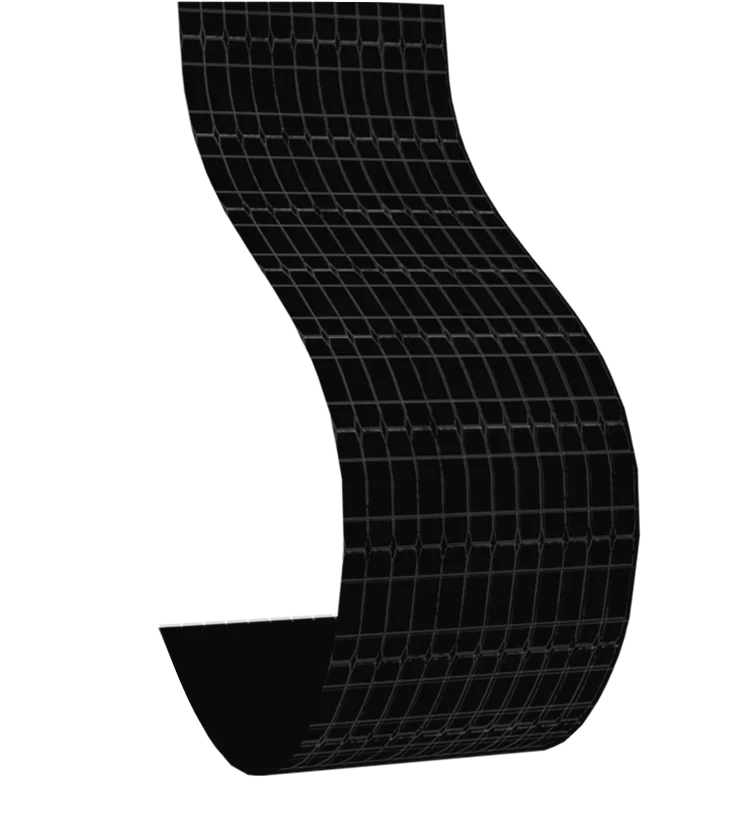
Arinna is building ultra-thin, truly flexible solar with extremely high power-per-mass and radiation hardness. It stands on more than a decade of semiconductor R&D.
- Bends tighter than a pencil
- No cover glass
- Weeks to build, not a year
Why space needs better solar
The two technologies flying today each fail on a different axis.
Multi-junction
Legacy space solar
- Ultra expensive
- $500/W production cost
- Slow production
- 12+ month lead time
- Rare minerals
- Supply regulated by China
Silicon
Legacy terrestrial solar
- Heavy
- Launch cost climbs with every kilogram
- Bulky to deploy
- Unfit for agile missions
- Radiation sensitive
- Output degrades, revenue stranded in orbit
Live · 550 km sun-synchronous orbit
Watch it unroll, then fly an orbit
Two 5.5 m wings unroll, turn to face the Sun and charge the battery. Every 95 minutes the satellite crosses Earth's shadow for about 35 minutes and the battery carries the load. The Sun, the shadow and the orbit are computed for 1 October 2026.
Fix the wings to zenith or double the load, then see if the battery makes it through the next eclipse.
Efficiency and power-per-mass are Arinna’s published figures. Wing size, load and battery are illustrative. Swap in measured numbers and this becomes a spec sheet.
Run it headless ↗Same power, a tenth of the mass
This array peaks at 6.5 kW. On Arinna film it weighs 6.5 kg. A legacy array making the same power weighs 65 kg.
Arinna array
Legacy array, same power
Launch cost saved
at $6,500/kg rideshare
Multi-junction cells for the same array
at $500/W
Legacy array at 100 W/kg, the top of what flexible arrays fly today (NASA small-spacecraft state of the art, 2024). Arinna at 10× that, per arinna.xyz.
2D semiconductors redefine the limits of solar power
- High-performance
- 10x higher power-per-mass
- Up to 32% efficiency
- Ultra flexible
- Bends tighter than a pencil
- Minimal stowed volume
- Space durable
- 15+ years lifetime
- No need for cover glass
- Low-cost
- 6x cheaper than silicon
- for the customer
- Made in USA
- Secure supply chain
- Rapid production
- Weeks-long lead time
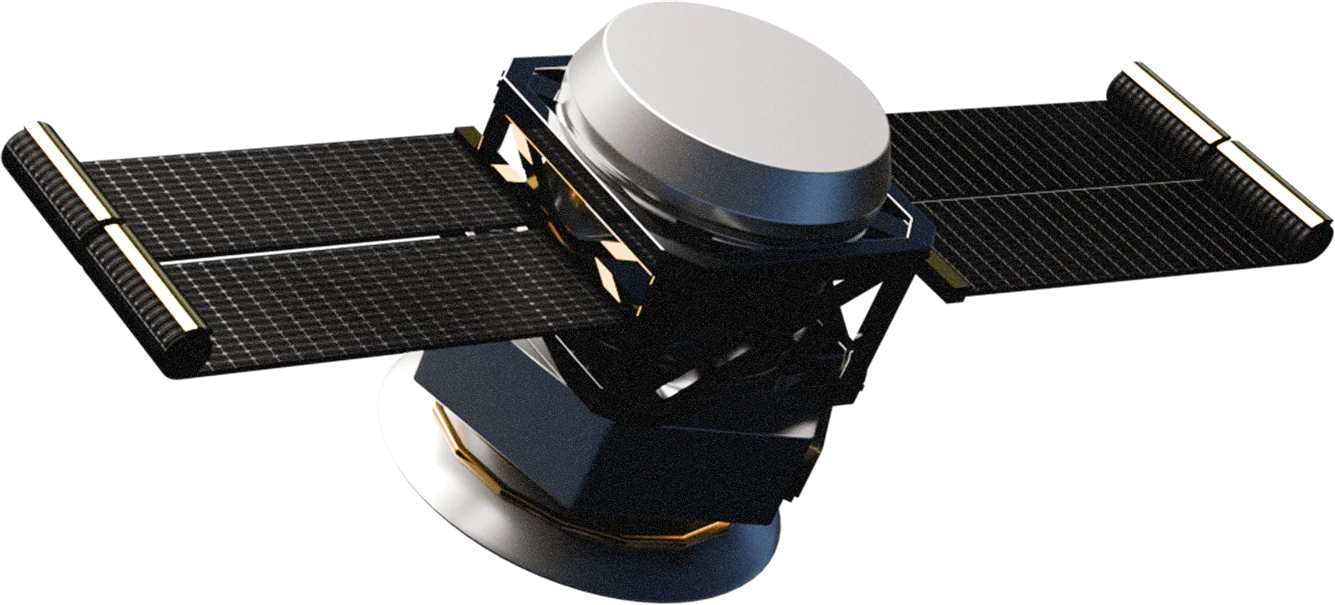
Using sunlight to reach the stars
Arinna exists to power a sustainable future for humanity, on Earth and beyond. It was founded by two Stanford PhDs with astronomical ambitions.
Leading investors
- SpaceCadet Ventures
- Breakthrough Energy
- Anorak Ventures
Partners
- NASA
- US Army
- NSF
- Stanford HIT Fund
- TomKat Center
- StartX